

Ready to experience
rewarding experience?
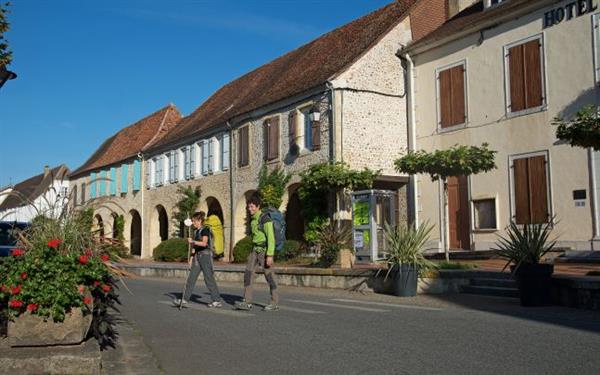
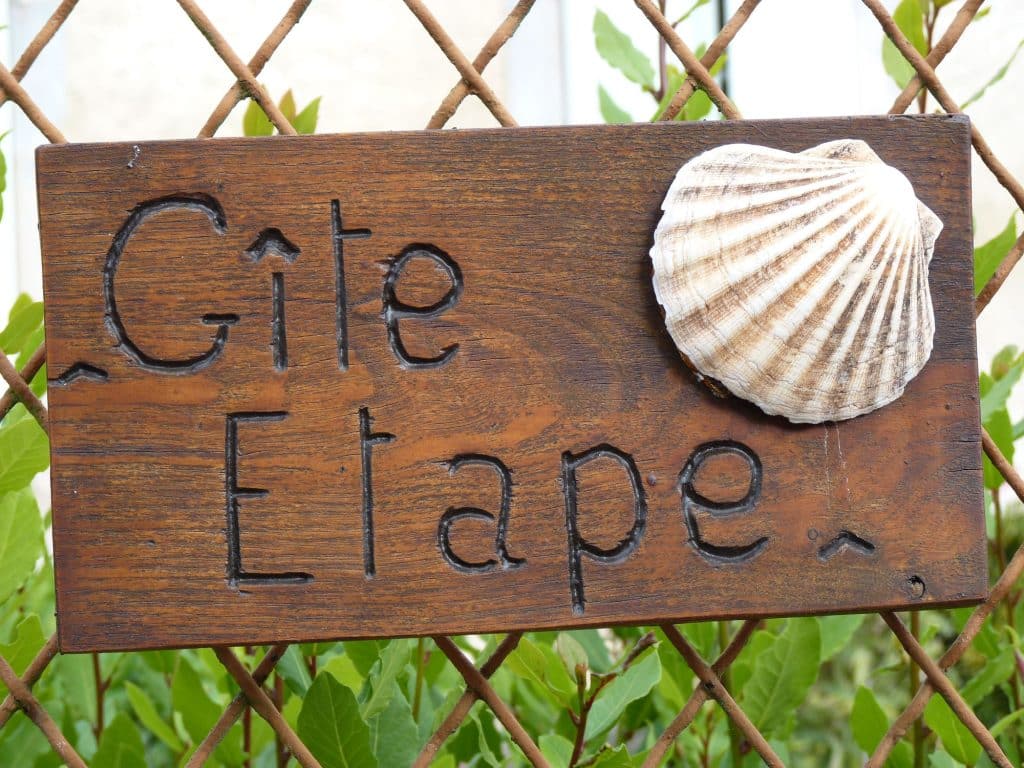
Coteaux Béarn Madiran is crossed by 2 pilgrimage tracks: the Puy en Velay track and the Arles track.
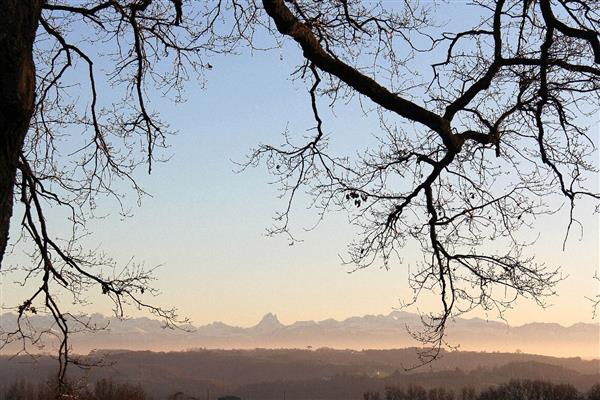
Each stage allows you to discover the diversity of the landscape and the richness of the heritage.
It’s a unique opportunity to reconnect with yourself and meet other walkers from all over the world.
 ©Euphorie
 ©Tourisme Coteaux Béarn Madiran
 ©Studio 764 – P. Le Doaré
GR 65
The Puy in Velay track (Via Podensis)
This track links Puy en Velay to the Pyrenees via the Roncevaux pass. A long-distance hiking trail, it is the best-known and probably the most-used route.
Arzacq-Arraziguet is the first stopover in the Pyrénées-Atlantiques region. Pilgrims then pass through other villages, such as Vignes, Louvigny, Larreule, Uzan, Geüs d’Arzacq and Pomps.
Focus on the stages
Practical info
- Treat yourself to a plantar massage dedicated to pilgrims at Bien-Hêtre in Fichous-Riumayous.
- Transports Claudine: transport of luggage, people and vehicle transfers.
Tel: +33 (0)5 62 28 67 92 / +33 (0)6 74 91 90 65
@: transports.claudine@gmail.com
Website : https://claudine32.com - The track of Puy in Velay walker’s guide is here to help you: accommodation, restaurants, provisions, transport, health…
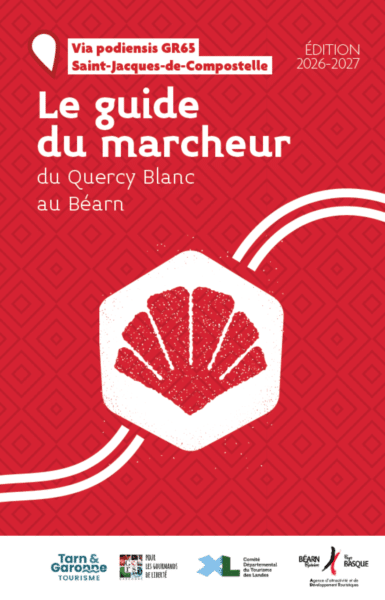
This pilgrim’s guide is available from the Arzacq-Arraziguet tourist office.
 ©Studio 764 – P. Le Doaré
GR 653
The Arles track (Via Tolosona)
1,740 km separate Arles from Santiago de Compostela. It is the only track to cross the Pyrenees at Le Somport in the Aspe valley.
Stopover villages and towns include Anoye and Morlaàs. Pilgrims also pass through other villages, such as Lucarré, Momy, Abère, Saint-Laurent-Bretagne, Gabaston, Saint-Jammes and Buros.
Focus on the stages


Practical info
The Voie d’Arles walker’s guide is there to help you: accommodation, restaurants, provisions, transport, health…
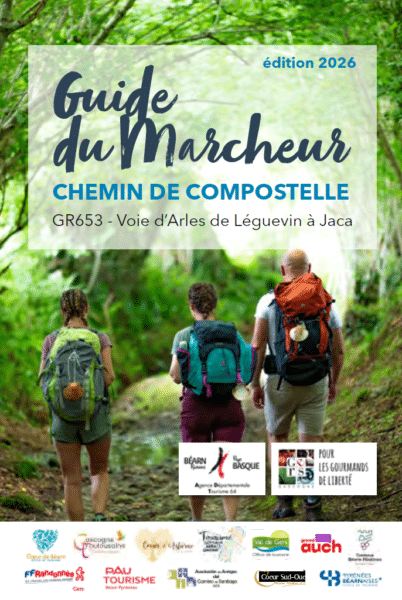
This pilgrim’s guide is available from the Morlaàs tourist office.

Advice
The tourist advisors at the Morlaàs and Arzacq-Arraziguet tourist offices can help you make the most of your tour.
You’ll find beautiful Compostelle postcards and credencials that you can have stamped in our offices.
Did you know?
Spanish legend has it that, in the 9th century, a star guided the hermit Pelayo to the burial place of the apostle Saint James the Greater, who was beheaded in Jerusalem in 44 A.D. and mysteriously transported by boat to the shores of Galicia. A chapel was built on the site, which took the name Compostela, meaning “field of stars”. More than a thousand years later, pilgrims continue to make their way to Santiago de Compostela, in search of others or perhaps of themselves.
The UNESCO World Heritage listing of France’s Chemins de Compostelle dates back to 1998.
For further information, visit www.chemins-compostelle.com