


Lembeye : l'ancienne capitale du Vic-Bilh
- on foot : 2h - Difficulty Easy
- Distance : 2km
- Vertical rise : 14m
- Public : Famille - Tous publics
To resist the inevitable incursions of its neighbours, the village was built as a bastide towards the end of the 13th century. After becoming Protestant in the 16th century, Lembeye was devastated during the Wars of Religion and burnt down by Catholic troops at the beginning of the 17th century, which led to the reconstruction of most of the houses in the village.
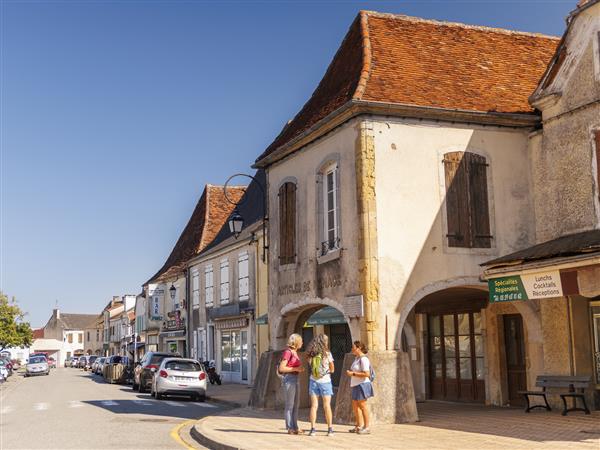
A circuit of about 2 km will lead you to discover the bastide. You will discover the Place Marcadieu with its 18th century houses, the Clock Tower, the Hautes Promenades path with its view of the Pyrenees mountain range, the gothic style church and its flamboyant style portal..
Step 1 :
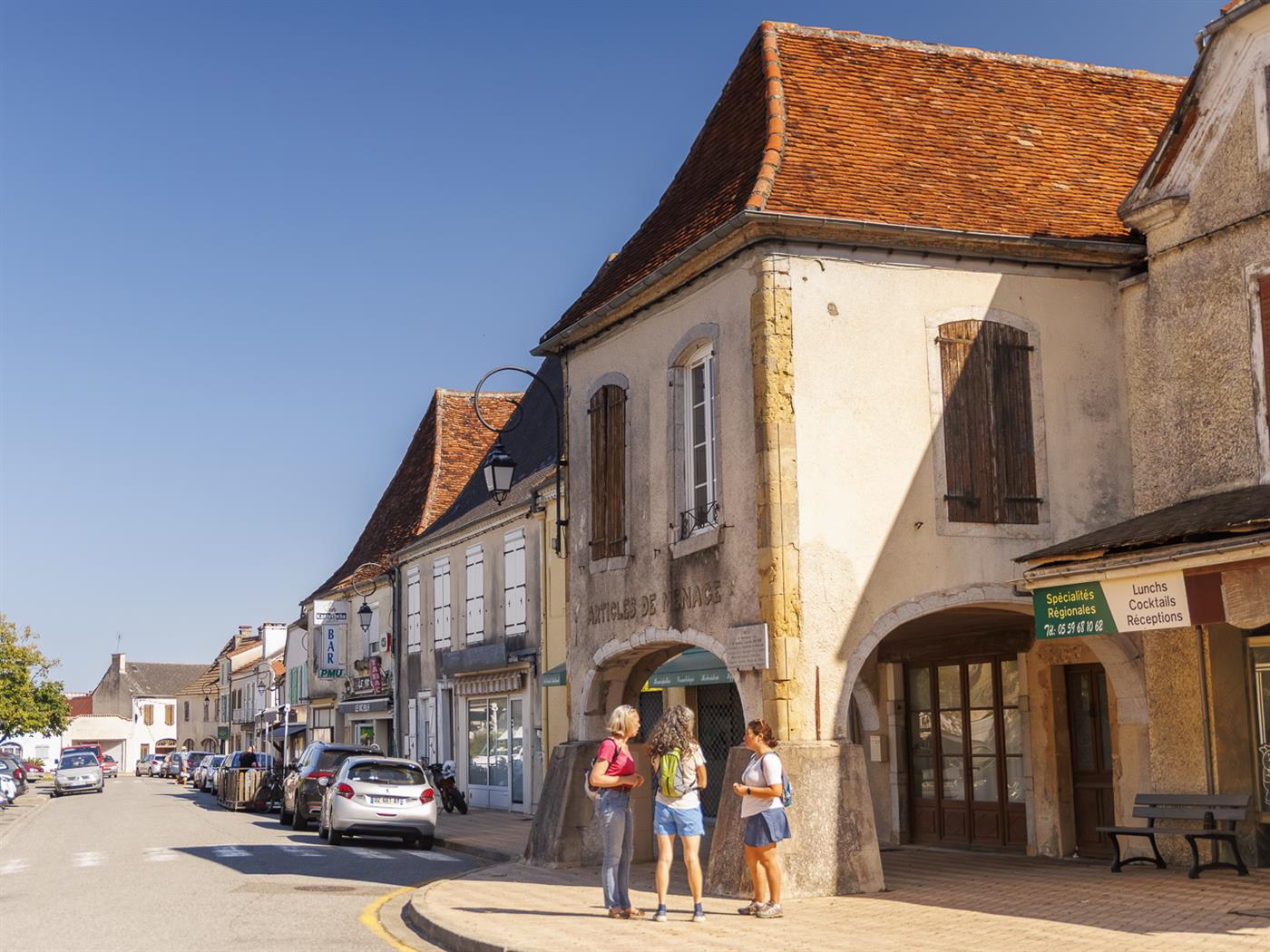
Marcadieu Square This triangular square is an interesting historical monument in its own right, thanks to the harmony of the 18th-century houses with large Béarn roofs that surround it. The current market hall was built in 1993, replacing the Eiffel-style hall dating from the 1930s, which itself had replaced the original hall, built in the 16th century on stone pillars, with old beams, a picon tile roof and wrought iron gates. Under the market hall, you can see the coat of arms of Lembeye. The Town Hall was built around 1852/1853 and renovated in 2004/2005. This majestic building once housed the secondary school and college. The former Cheval Blanc inn (now the Restaurant de la Tour), at No. 29, displays the white horse sign that made its reputation on its ornate porch, above a classic gate. This carriage entrance, dating from the second half of the 17th century, reveals a keystone decorated with an angel's head and a basket of flowers and fruit. A pretty house with a wooden balcony at No. 21 has recently been restored. The wrought iron cross in the centre of the square, on a base of joined stones (late 17th century), commemorates the execution of a man and a woman guilty of adultery and the murder of the husband.Step 2 :
Clock tower or city gate It is the only remaining feature of the old fortifications of the ancient bastide. The tower gate was built in two stages: the ground floor (second half of the 13th century) was built in cut stone (medium-sized sandstone blocks), then the tower was raised in brick and pebble for the three upper levels at the end of the 14th century. A pointed arch passageway is present on both sides. The bays were narrowed and adapted for firearms in the 16th century. The municipal clock was installed in the attic before 1720. A second tower is thought to have stood at the northern end of Rue de la Tour, along with a castle around which the village developed. These gates had a drawbridge over the moat and a portcullis operated by a winch that opened and closed the passage into the town. Today, they have completely disappeared. The clock tower also served as a prison in the 18th century.Step 3 :
Chemin des Hautes Promenades On the corner of the street on the right, discover a pretty Béarnaise house with blue shutters. It is characterised by a steeply sloping roof covered with flat tiles, and the junction between the wall and the roof is highlighted by a cornice of hollow tiles, often supported by brick mouldings forming successive projections. This Chemin des Hautes Promenades was the town's rampart walk in the days of the old bastide, connecting the clock tower to the church of Notre Dame de l'Assomption. It was lined with palenc, a series of wooden stakes driven into the ground above the large moat, which has since been filled in and now serves as a road. It is a privileged vantage point for observing the Pyrenees mountain range. The Maison Cordeville, located in the middle of the street, dates from the 14th century and has undergone restoration and modifications. It retains its steeply pitched roofs in the 17th-century style and a mullioned window on the right-hand side. It was the seat of the Seneschal, the king's sub-intendant general, and later served as a convent. Another beautiful Béarn house with sky-blue shutters is located at No. 17.Step 4 :
House of Doctor Amédée Doléris At the end of Chemin des Hautes Promenades, below on the right. The famous Doctor Amédée Doléris, born in 1852 in Lembeye and deceased in 1938, lived in this house. He was one of Lembeye's most distinguished citizens: a renowned doctor in Parisian hospitals, specialising in gynaecology; mayor of Lembeye around 1900; member of parliament around 1920; founding president of the Pau-Oloron-Mauléon tramway, which was created in 1905. He was behind many transformations and modernisations. He promoted local trade and crafts, as well as developments in agriculture. He wrote a treatise on the history and marketing of Madiran wine... A passionate oenologist, he owned a large vineyard. He developed a process for producing sparkling wine using the Champagne method in his cellars at Royal Béarn (now Chai Doléris), located at the foot of the Lembeye hillside. He had a 400-metre-long underground tunnel dug into the hill, which was an excellent place for storage and preservation. The village of Lembeye erected a stele of Doctor Doléris with his bust, near his house, on Boulevard Doléris (on your right).Step 5 :
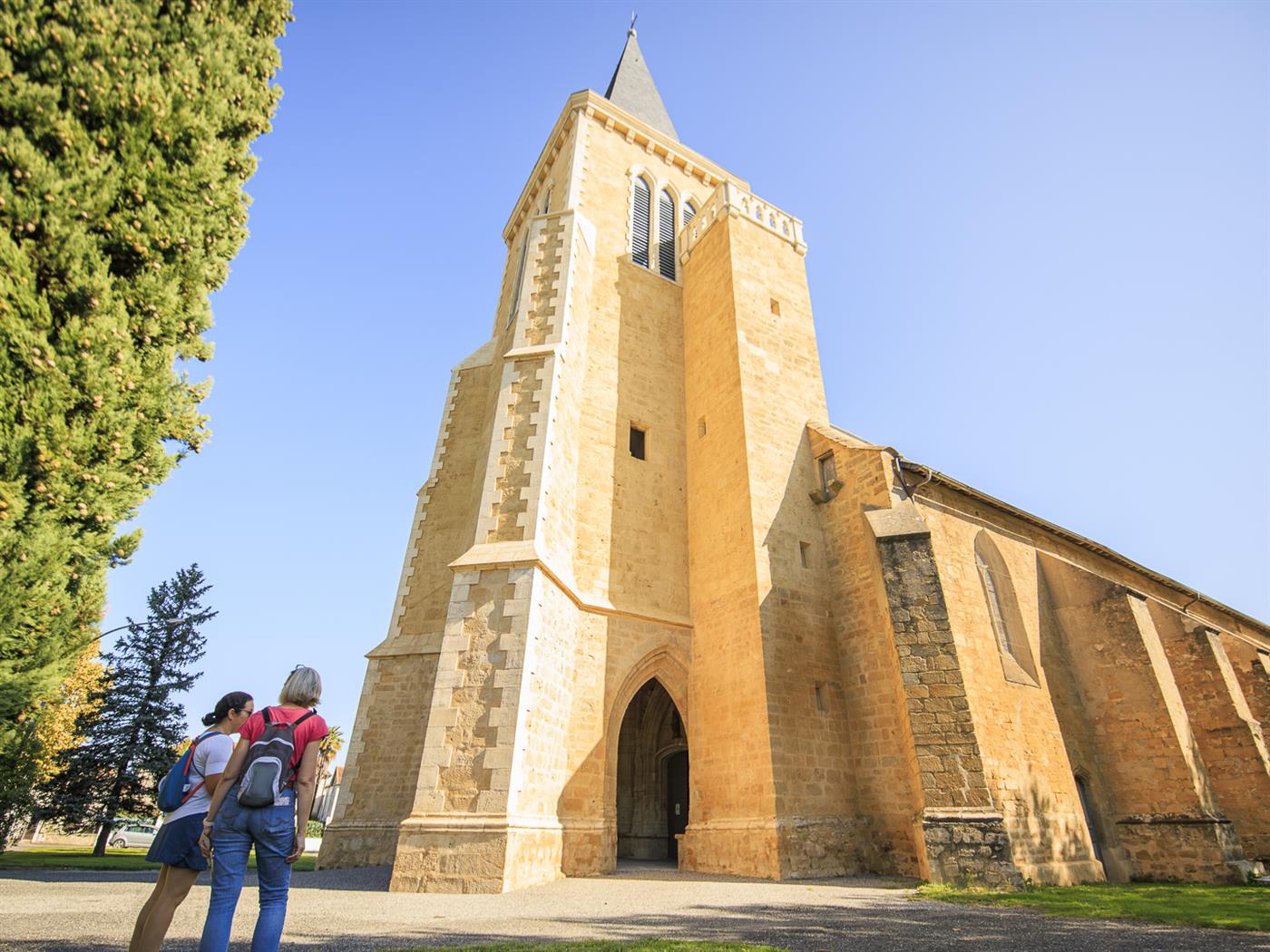
Church of the Assumption of the Blessed Virgin Mary Church closed to the public: walk around to discover the architectural features. This ogival-style church is the largest Gothic religious building in Vic-Bilh. It was built in the 16th century on the site of an older church, probably dating from the 13th or 14th century. This three-nave church with ribbed vaults has a total of 13 stained-glass windows. On the west side is a beautiful flamboyant-style double-leaf door protected by a bell tower porch. The basket-handle arch of the doorway is surmounted by a tympanum with a niche containing a statue of the Virgin Mary, to whom the church is dedicated. Above the niche is an ogee arch decorated with curly kale, surmounted by a shield carried by two angels and framed by bellows and mouchettes. The massive square bell tower is topped by a tall modern spire. Small carved stone embedded in the wall representing a cow. North side: small carved stones embedded in the wall representing men's heads and a lion. South side: ‘cagots’ door, a narrow, low door reserved exclusively for the use of these outcasts from Béarn who had to cross the adjoining cemetery to get to the church.Step 6 :
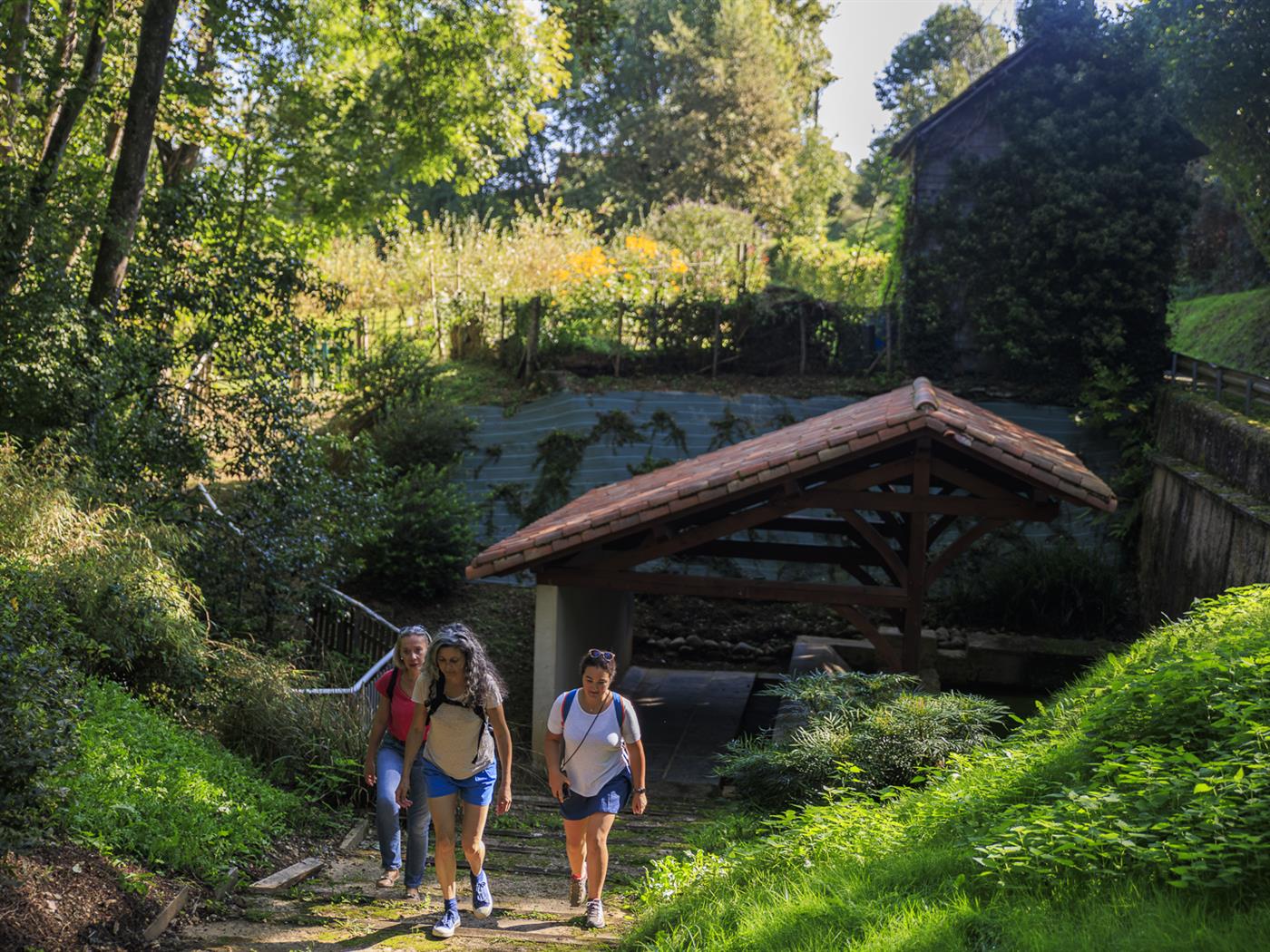
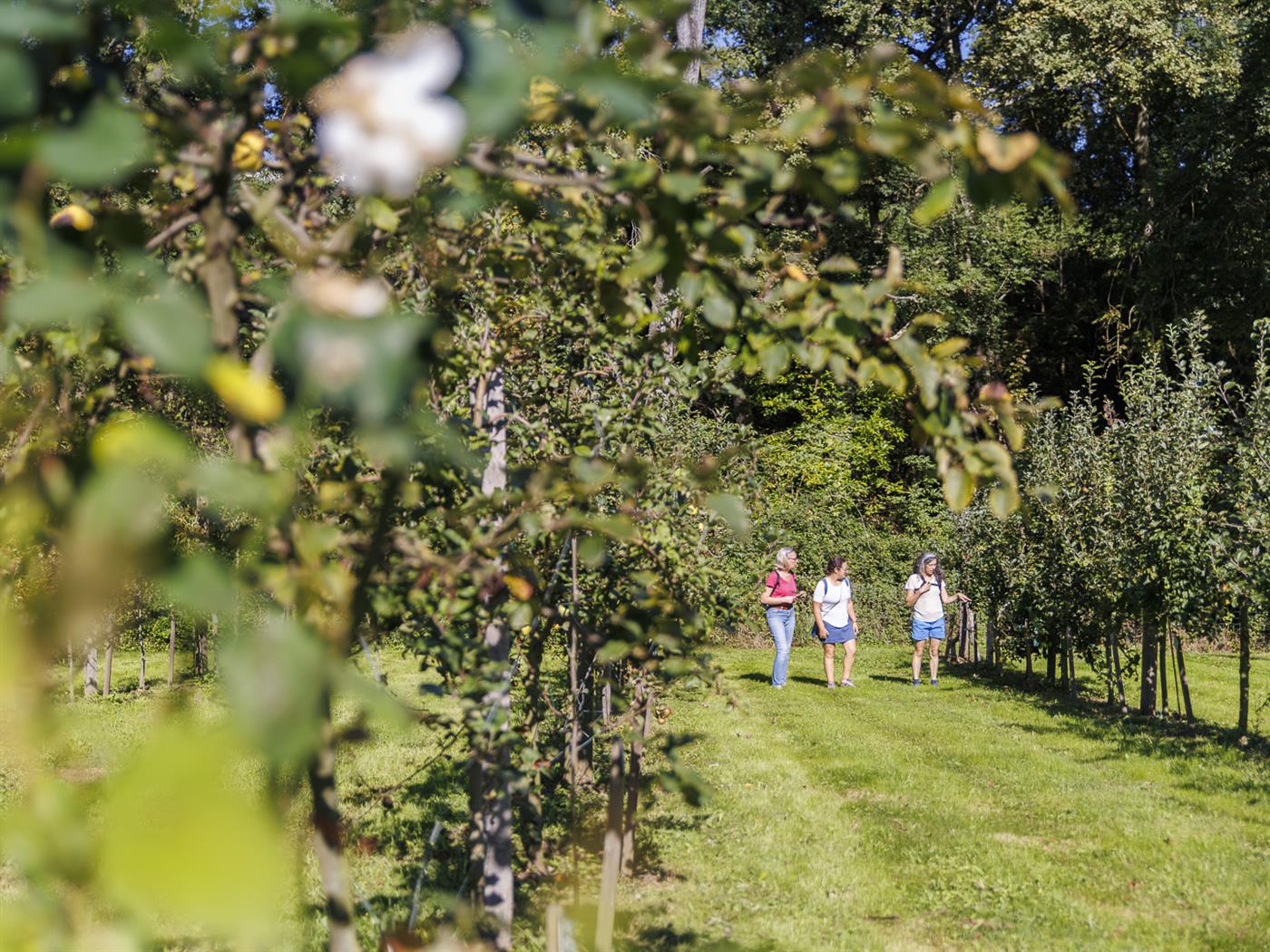
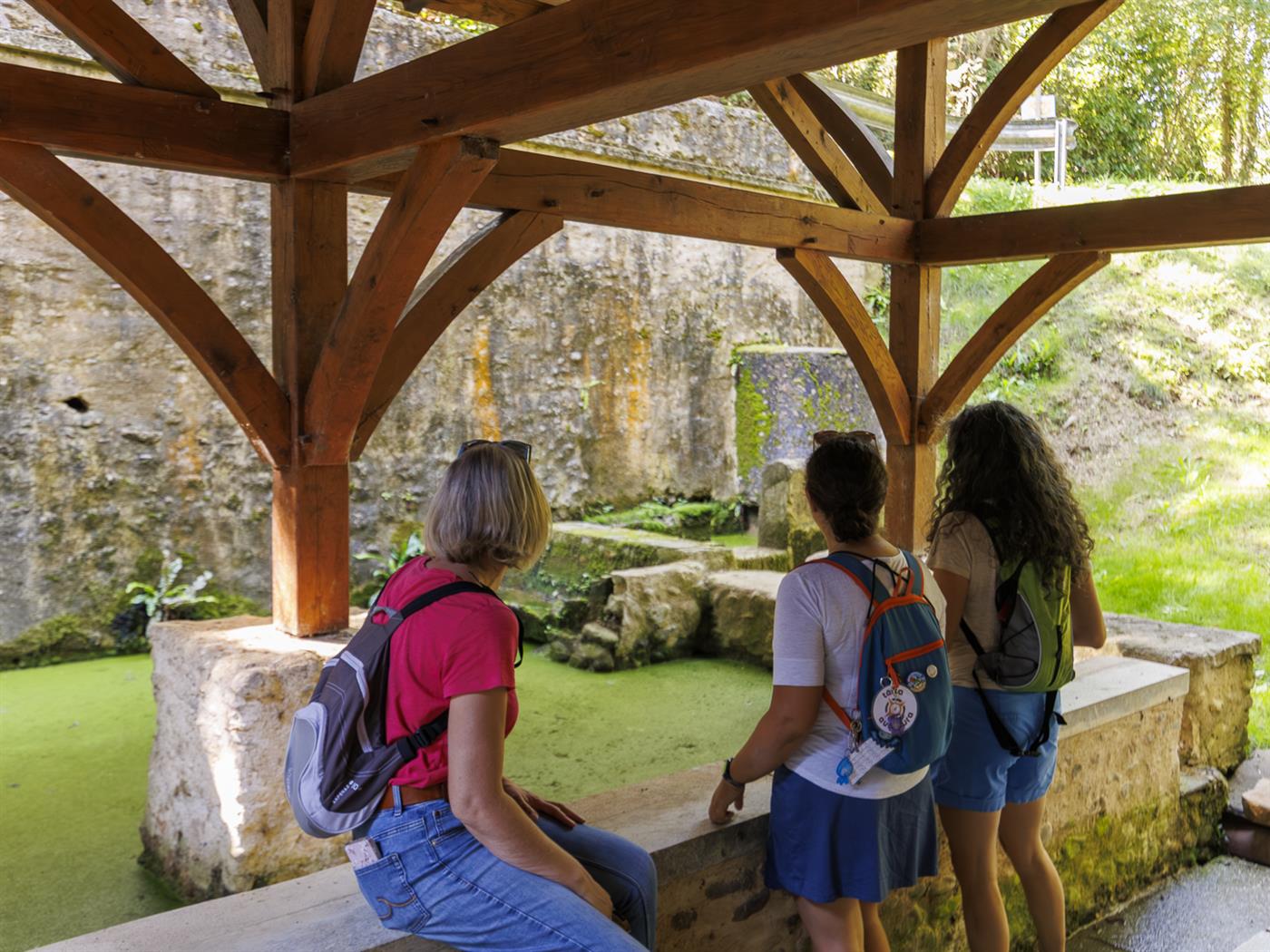
Canette de la Peyrailles and Canette de Menjoulou At Rue de la Tour, turn right, then take Rue des Cousteillous opposite. Turn left, then immediately right and go down Chemin des Canettes. On your left, the Canette de la Peyrailles is an imposing rectangular wash house dating from the late 18th century, which was completely restored in 2016. It is covered with canal tiles on a superb oak frame. Continue straight ahead and take a look at the conservation orchard planted at the end of 2019 with various old varieties of fruit trees. The space is both educational and fun, so make the most of it! A few metres further on, still on your left, discover the Menjoulou fountain, a dome-shaped fountain dating from 1780, built of stones and pebbles. Its back was left unbricked during its restoration in 2016, allowing you to see how the water flows. Turn around and take the same path back to Rue de la Tour.Step 7 :
Rue de la Tour At No. 41, discover a pretty Béarnaise house with blue shutters. Rue de la Tour was the only street in the original town, formerly known as ‘Rue du Bourg’. It formed the backbone of the town. This central street was closed at both ends by gates; a drawbridge spanned the moat and a portcullis operated by a winch opened and closed the passage into the town. One of these gates still exists today: the clock tower. Just before No. 29, the primary school was formerly the Convent of the Sisters of Nevers and the Daughters of the Cross. The date 1762 is inscribed on the lintel of one of the doors. At No. 29, you can see a well equipped with a hand pump.Step 8 :
Rue du Bourguet The first house on the right, the Douau house, comprises two parallel structures representing the dwelling and the barn. At No. 13, a pretty Béarnaise house with a Genoese roof and exposed stonework bears the date 1793 on the lintel above the entrance. At No. 9, the date 1867 is inscribed. At No. 10, the rounded lintel bears the date 1778. Before No. 2 on the left, the top of the gate features a curious Indian head, in keeping with the exotic ‘New World’ fashion of the late 18th century. Return to Place Marcadieu.
 Chai Doléris (Rural heritage)
Self-guided or guided tour of the underground cellar and the ‘Doléris’ exhibition room, displaying old vineyard tools. On the last Saturday of each month, Fabien organises ‘Les Samedis Gourmands’ (Gourmet Saturdays) with a tasting session combining local produce and wines from the cellar, accompanied by a winegrower and a local artisan. Fabien offers tastings of Madiran and Pacherenc du Vic-Bilh wines and direct sales. Local products from the Conserverie du Vic-Bilh (pâté, foie gras, etc.) are also on sale at the cellar.
 Les Paysans du Grand Vic-Bilh (Tasting)
Les Paysans du Grand Vic-Bilh is a local farmers' shop located on the main square in Lembeye. These producers offer a wide range of high-quality local products such as seasonal fruit and vegetables, meat, cheese including Vic-Bilh cheese, dairy products, groceries, honey, jams, Madiran and Pacherenc du Vic-Bilh wines, as well as BéZettes, a sweet biscuit with delicate notes of Pacherenc. The shop also has a coworking room with Wi-Fi.
Nearby routes
Lembeye : L'ancienne capitale du Vic-Bilh
Situated on the borders of Bearn, facing Armagnac and Bigorre, Lembeye occupies…
LEMBEYE
Lembeye : le chemin des lacs à VTT
Aesthetic and varied, this tour follows a countryside that inspires tranquility. The…
LEMBEYE
Lembeye : la vallée du Vic-Bilh à VTT
Sports lovers will love this circuit! It has some difficult climbs in…
LEMBEYENearby accommodation

Chez Maria
In the Madiran and Pacherenc du Vic-Bilh vineyards, this traditional and warm…
LEMBEYEAgenda
 25Aug
31Oct
25Aug
31Oct
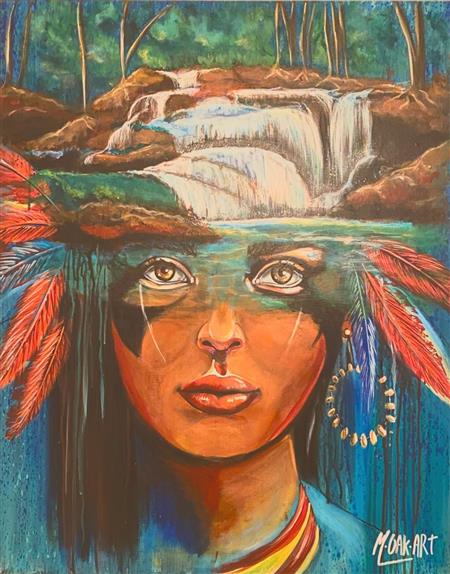
Painting exhibition by Maurice DUMESTRE.
LEMBEYEUseful links


